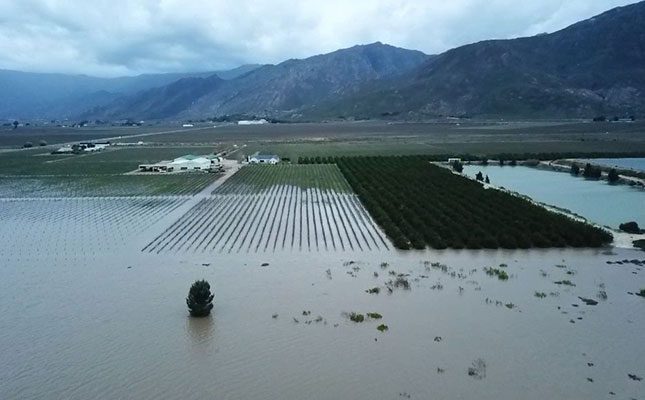
One month after the devastating May 2026 storms tore through the Western Cape, leaving at least 11 people dead and causing billions in damage, it is time to confront an uncomfortable truth: the recovery narrative has been shamefully skewed. While farmers and agribusinesses receive the lion’s share of attention and, crucially, insurance payouts, the farm workers who lost homes, possessions, and stability have been pushed to the margins once again.
Let’s be clear. Insurance policies protect the employers’ assets — orchards, packing sheds, vehicles, and infrastructure. These covers allow commercial operations to quantify losses and begin rebuilding. But the workers living on those same farms? Their modest dwellings, often tied directly to their employment, their furniture, clothing, and irreplaceable family documents swept away by the floodwaters — these receive nothing. No claim forms. No payouts. Just the stark reality of starting over with nothing.
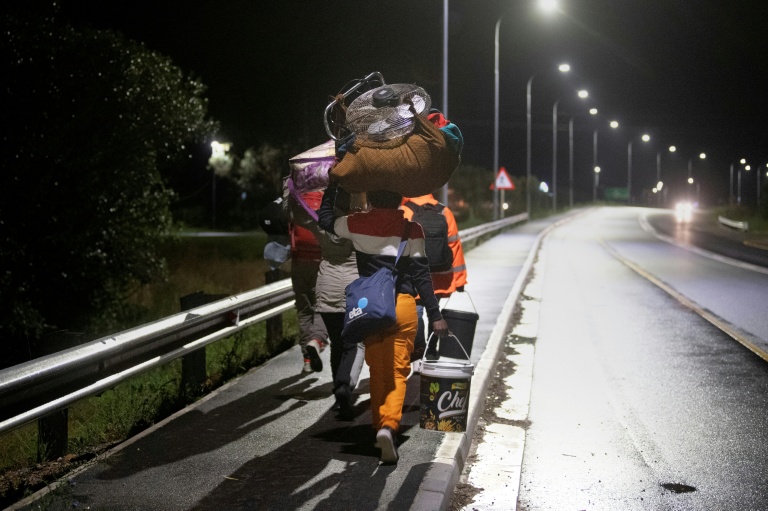
This is not merely an oversight; it is a systemic failure. Displaced farm workers and their families now crowd into already overburdened informal settlements around Paarl, Worcester, Ceres, and other towns. With nowhere else to go, they face heightened vulnerability, health risks, and — most alarmingly — a new loophole for illegal evictions. Some landowners, citing damaged infrastructure or operational shifts, appear poised to remove workers without due process or alternative accommodation. In a province where farm dwellers have long fought for tenure security, this disaster risks rolling back hard-won protections.
At Natusa, we watched the deluge of social media videos and news reports in the immediate aftermath with growing frustration. The lens focused overwhelmingly on submerged vineyards, ruined fruit crops, and the financial hits to farmers and businesses. These losses are real and significant — estimated at R6.3 billion for the pome and stone fruit industry alone, with over 6,700 direct jobs at risk. Yet the human stories of the workers who pick, pack, and sustain that industry were barely visible. Their destroyed homes, interrupted livelihoods, and desperate searches for shelter barely registered.
This selective storytelling matters. It shapes public perception, influences aid distribution, and determines political priorities. When the cameras linger on commercial losses, relief efforts and policy responses follow suit. The result? Workers — often seasonal, frequently among the most precarious in our society — are left carrying the heaviest burden while receiving the least support.
The Western Cape’s agricultural heartland has always relied on the labour of these men and women. They are not peripheral to the industry; they are its foundation. To rebuild meaningfully after this disaster, we cannot simply restore balance sheets. We must restore lives. That requires targeted emergency housing for displaced farm dwellers, strict oversight to prevent opportunistic evictions, and direct financial assistance that bypasses the employer-insurer pipeline and reaches workers themselves.
Provincial government and relief organisations have made some efforts, but they fall short of the scale needed. As climate change makes extreme weather events more frequent, this pattern of unequal impact will repeat unless we address the structural inequities now. Insurance reform, strengthened worker protections, and genuinely inclusive recovery planning are not optional — they are urgent.
The floods exposed nature’s power. But they also laid bare our society’s priorities. If we truly value the people who feed our tables and sustain our economy, we must stop treating farm workers as disposable in moments of crisis. Their losses are not secondary. In many ways, they are the ones that cut deepest. It is long past time their voices and needs took centre stage.
Opinion: The Forgotten Victims of the Western Cape Floods – Farm Workers Pay the Highest Price