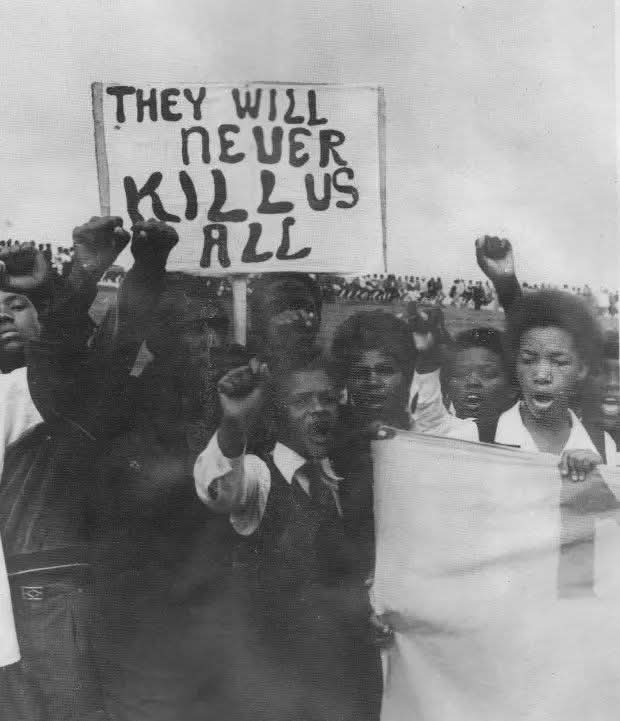
On 27 August 2012, farm workers on Keurboschkloof farm near De Doorns in the Hex River Valley walked off the job. What began as a local protest by largely female workers against reduced wages under new ownership quickly became a province-wide uprising. Fourteen years later, the events of that spring and summer remain a landmark in South African agricultural labour history—a rare moment when poorly organised, low-paid seasonal and permanent workers forced a national wage increase through collective action.
Why it started
Workers were earning around R69–R75 a day at a time when the statutory agricultural minimum was roughly R61–R70. Living costs, insecure seasonal employment, poor housing in settlements such as Stofland, and the use of labour brokers formed the backdrop. The immediate trigger at Keurboschkloof was a sharp drop in pay after a change in farm ownership and contracts. The demand that crystallised the movement was R150 a day, accompanied by a broader list of roughly 21 grievances: a moratorium on evictions, maternity benefits for seasonal workers, secure tenure (especially for women), an end to labour brokers, better transport, no improper deductions, freedom of association, and improved access to social services.
The action spread rapidly through the Hex River Valley and then to towns across the Western Cape—Worcester, Ceres, Robertson, Grabouw, Wolseley and others. Crowds blocked the N1, burned tyres, and in some places set vineyards and property alight. Violence claimed lives and caused significant damage. The protests were widely described as organic and worker-driven rather than directed by established unions or political parties, though COSATU, FAWU, BAWUSA and NGOs later became involved. Many observers linked the timing and spirit to the earlier Marikana miners’ strike.
What was achieved
The most concrete and lasting result was a 52% increase in the agricultural minimum wage, raised to R105 a day in early 2013. This was a historic formal gain for the entire sector. Subsequent national minimum-wage legislation further adjusted rates. Former strike participants later noted some practical improvements in access to water and electricity on certain farms. The uprising demonstrated that farm workers, long seen as among the most marginalised in the labour market, could compel government and organised agriculture to the negotiating table and win a substantial wage adjustment.
How conditions evolved after the uprising
The wage victory was followed by structural responses that left many workers in a more precarious position. Permanent employment declined. Farmers shortened seasons or hours in places, increased mechanisation where possible, and expanded reliance on seasonal, casual and labour-brokered labour. Studies and worker accounts recorded job losses in the tens of thousands in the years after the strike, with women disproportionately affected. In the Hex River Valley, seasonal numbers on some farms reportedly fell sharply. Take-home pay after deductions, higher production targets and shorter work periods often left workers little better off—or worse off—in real terms.
Labour brokers remained central to the system, weakening direct employment relationships and making it harder for workers to enforce rights or organise. Migrant workers from neighbouring countries continued to form a large part of the seasonal workforce, frequently under more insecure conditions. Tensions around nationality and competition for work have periodically resurfaced in the area.
Ongoing challenges and structural weaknesses
Low levels of unionisation on farms have persisted. The 2012 action itself was notable for being largely self-organised; durable workplace organisation has remained difficult. Without strong independent representation, workers face greater obstacles when challenging unfair dismissals, resisting pressure for informal arrangements, or negotiating beyond the statutory floor. Complaints about abrupt terminations—sometimes facilitated by labour consultants or brokers—and limited access to effective remedies continue to surface.
Allegations circulate that some commercial farming operations structure ownership or directorships to improve Broad-Based Black Economic Empowerment scores, potentially securing preferential access to water rights or other benefits, while ordinary workers remain on minimum or near-minimum wages. Farm equity schemes more broadly have faced criticism for delivering limited tangible gains to rank-and-file workers. Specific, independently verified cases of registering general farmworkers as directors purely for water-rights advantages in the Hex Valley are not prominently established in public reporting; such claims require case-by-case evidence.
Evictions of farm dwellers under the Extension of Security of Tenure Act remain a persistent vulnerability. Economic insecurity and weak organisation make legal and practical resistance harder. The Western Cape is governed by the Democratic Alliance at provincial level, and the relevant local municipality has also operated under DA leadership for extended periods. Causal links between the party in power and the ease of evictions are contested and should be examined against the evidence of national legislation, market pressures and local enforcement practices rather than asserted as simple fact.
Remembering the uprising
Fourteen years on, the De Doorns uprising stands as proof that even the most precarious workers can extract concrete concessions through collective action. It also illustrates the limits of a pure wage victory in a seasonal, export-oriented industry shaped by global markets, casualisation trends and low union density. Living conditions in surrounding informal settlements continue to reflect high poverty and vulnerability. Pesticide exposure, long peak-season hours and insecure tenure remain live concerns.
Commemorating 27 August 2012 means recognising both the courage of the workers who walked off the farms that day and the unfinished business they left behind: secure employment relationships, effective enforcement of labour and tenure rights, genuine empowerment that benefits ordinary workers rather than paper compliance, and wages that support a dignified life. The valley that produces table grapes for international markets still depends on the labour of those who live and work in its shadow. Their demands of 2012—fair pay, security of tenure, an end to exploitative intermediaries, and the right to organise—retain their force.