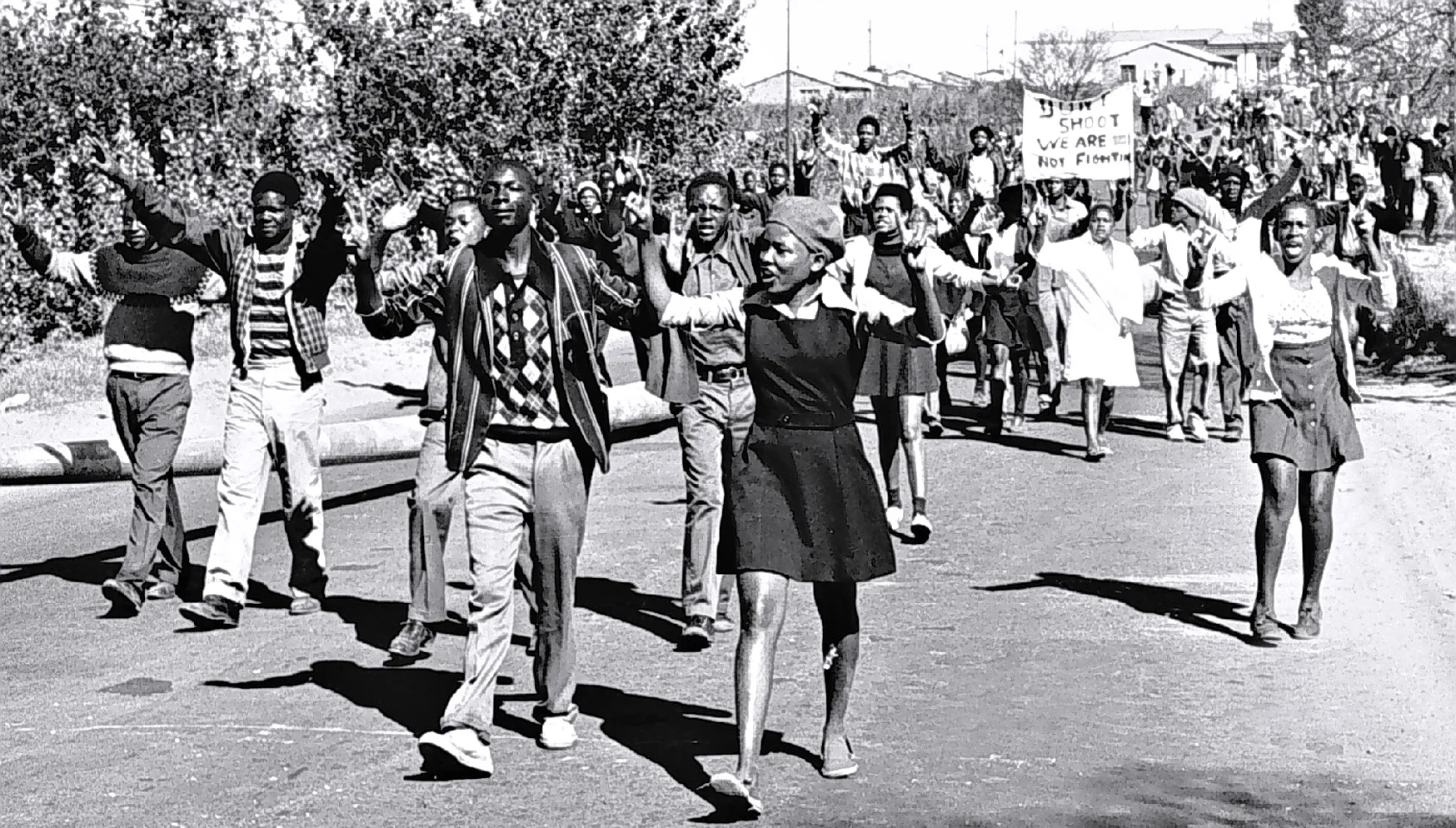
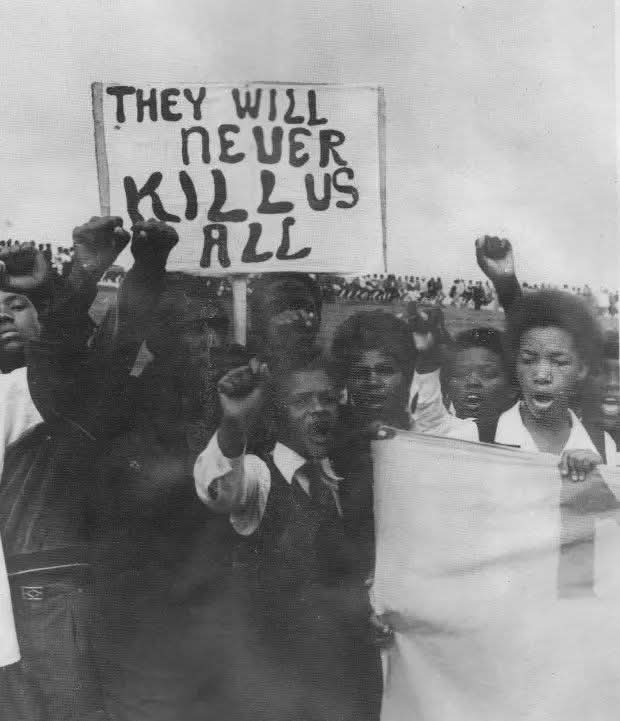
Every year on 16 June, South Africans pause to remember the brave students who took to the streets of Soweto in 1976. Their protest against the apartheid government’s oppressive education policies became one of the defining moments in our country’s struggle for freedom. Yet fifty years later, the question remains: have we fully achieved the educational freedom for which those young people sacrificed their lives?
The Soweto Uprising was not simply a protest against Afrikaans as a medium of instruction. It was a revolt against a system designed to keep Black South Africans poor, uneducated, and trapped in low-paying jobs. The apartheid government’s Bantu Education system deliberately provided inferior education to Black children, ensuring they would remain a source of cheap labour rather than future leaders, professionals, and decision-makers.
On 16 June 1976, thousands of students marched peacefully through Soweto demanding dignity, equality, and quality education. The state’s violent response shocked the world and transformed the struggle against apartheid. Historians widely regard the uprising as a turning point that contributed significantly to the eventual collapse of apartheid.
Today, South Africa celebrates Youth Day as a tribute to those courageous young people. However, commemoration without reflection risks becoming an empty ritual.
While apartheid has ended, many of the structural inequalities that fuelled the uprising remain deeply entrenched. The faces of oppression may have changed, but many young South Africans continue to face barriers that limit their opportunities and undermine their future.
Across the country, schools in poor and working-class communities continue to struggle with overcrowded classrooms, inadequate resources, poor infrastructure, and shortages of qualified educators. Research and reporting have shown that educational outcomes remain deeply unequal, with learners from disadvantaged communities often receiving a lower quality of education than their peers in more affluent areas.
The echoes of 1976 can also be heard in the student movements that emerged in democratic South Africa. Campaigns such as #FeesMustFall highlighted how many young people remain excluded from higher education because of financial barriers. Students argued that access to quality education remains a privilege rather than a right for many working-class families. Their demands reflected a broader frustration with persistent inequality and the unfinished business of educational transformation.
The consequences of poor education extend far beyond the classroom. Education remains one of the most important determinants of employment opportunities and earning potential. Studies consistently show that higher levels of schooling lead to significantly better income outcomes and improved life opportunities.
When educational systems fail young people, the effects ripple throughout society. Young people who leave school without adequate literacy, numeracy, technical, or vocational skills often struggle to find meaningful employment. This contributes to South Africa’s persistently high unemployment rate, particularly among the youth.
Unemployment, poverty, and inequality create conditions in which crime and social instability can flourish. While crime has many causes, there is a clear relationship between economic exclusion and social distress. Communities with limited opportunities often experience higher levels of desperation, substance abuse, violence, and criminal activity. When young people are denied access to quality education and decent work, society ultimately pays the price.
For trade unions, the lessons of 1976 remain profoundly relevant. The students who marched in Soweto understood that education and economic justice are inseparable. A worker’s struggle does not begin in the workplace; it often begins in the classroom. Poor education today becomes low wages tomorrow. Under-resourced schools become unemployed graduates. Educational inequality becomes economic inequality.
The fight for decent work therefore cannot be separated from the fight for quality public education. Trade unions have a responsibility not only to defend workers’ rights but also to advocate for the next generation of workers. Investing in education is not charity; it is an investment in economic development, social stability, and human dignity.
The youth of 1976 challenged a system that sought to limit their future. Today’s youth face different challenges, but the principle remains the same. The struggle is no longer against apartheid laws, but against poverty, inequality, unemployment, and educational failure.
As we honour the memory of Hector Pieterson and the thousands of young people who stood up against injustice, we must ask ourselves whether we are building the South Africa they envisioned. The true meaning of Youth Day lies not only in remembering the past but in confronting the inequalities that continue to shape the lives of millions of young South Africans.
The spirit of 1976 lives on wherever young people demand dignity, opportunity, and justice. Their struggle remains our struggle. Their dream remains unfinished.
Until every child has access to quality education and every young person has a fair opportunity to build a decent life, the message of June 16 will continue to resonate across South Africa.
The Spirit of 1976 Lives On: Why South Africa’s Youth Struggle Is Not Over