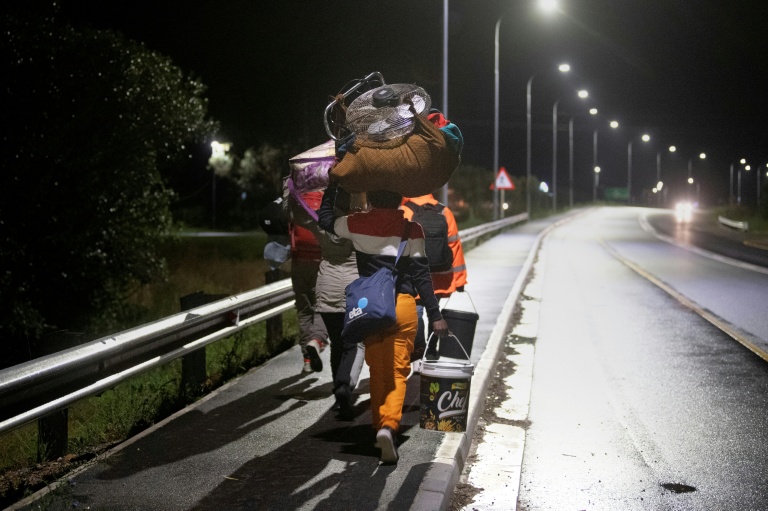
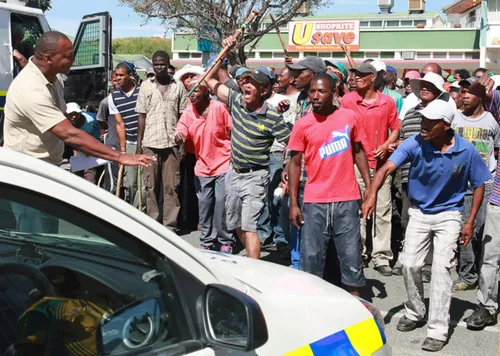
Brothers and sisters, let’s talk straight about this migrant situation that’s tearing at the soul of our nation right now. It’s mid-2026, and the streets are heating up again—marches, political ultimatums, fear in the eyes of people who’ve crossed borders looking for a better shot at life. The government is rolling out biometric registers, faster deportations, and crackdowns on undocumented entries. Vigilante groups are making noise. Unemployment remains brutal, basic services are stretched thin, and tempers are short.
I get it. As a nation, we face real, grinding challenges that no one can dismiss with empty slogans. Official unemployment hovers around 30%, even worse for the youth. Poverty cuts deep. Crime makes families lock their doors early. Townships and informal settlements feel the daily pressure: overcrowded clinics, schools bursting at the seams, jobs that simply aren’t there. With somewhere between 2.4 and 3.1 million foreign-born people in the country, the frustration is understandable. South Africans are angry, and that anger is boiling over toward foreign nationals, especially our brothers and sisters from other parts of the continent.
But let’s be clear-eyed and brutally honest: immigrants and migrants are not the root problem. Scapegoating them might feel satisfying in the heat of the moment, but it blinds us to the real machinery that’s been grinding this country down for decades. The true culprit is the capitalist system—exploitative, unequal, and built on extraction rather than shared prosperity.
The Weight of Past Economic Transgressions
Look back without rose-tinted glasses. Apartheid wasn’t just a racial nightmare; it was economic warfare designed to create a cheap Black labour force for white-owned mines, farms, and factories. The land dispossessions, the Bantustans, the brutal migrant labour system that ripped families apart—all of it fed a profoundly unequal economy.
After 1994, we made compromises: repaying apartheid-era debt, keeping the Reserve Bank independent, and embracing neoliberal policies that opened us to global markets without sufficient safeguards for our people. Yes, there was growth in patches, but inequality stayed vicious—one of the worst Gini coefficients in the world. The top 10% captured most of the gains while the majority fought over crumbs. State capture, corruption scandals, and policy flip-flops in the ANC years only made things worse. Instead of radical economic transformation, too often we got more of the same: capital flowing to the connected, big corporations and multinationals extracting wealth, while ordinary working people—especially Black South Africans—were left competing for scraps.
Migrants didn’t create this system. They didn’t design the structural unemployment or the chronic failure to build enough housing and infrastructure. Capitalist logic did: profit over people, competition that pits the desperate against the desperate.
The Land Question and the Unfulfilled Freedom Charter
This brings us to the heart of the matter: the land. The Freedom Charter of 1955 was unambiguous: “The Land Shall be Shared Among Those Who Work It!” It called for ending racial restrictions on ownership, redistributing land to banish famine and hunger, and guaranteeing freedom of movement for those who till the soil. That wasn’t some vague slogan—it was the moral core of our liberation struggle.
Decades later, land reform has been painfully slow. White commercial farmers still control the vast majority of prime arable land. The historical wounds of colonial theft and apartheid laws continue to fester. Without meaningful restitution and productive use of that land, rural poverty drives people into cities, where they clash with whoever else is struggling there. The Charter also spoke of sharing the country’s wealth. We haven’t done that. Capitalism, with its fierce defence of private property and pressure from global finance, has resisted the deep restructuring our people desperately need.
Africans Cannot Be Immigrants in Africa
And here’s a deeper truth that too many are afraid to say out loud: Africans cannot be immigrants in Africa. The borders that divide us were drawn by colonial powers with rulers and pens, not by the will of our ancestors. For millennia, Africans moved across this continent—for trade, kinship, survival, and opportunity. Pan-Africanism isn’t empty romanticism; it’s hard-headed survival logic in a world that still treats Africa primarily as a quarry for resources.
It’s time for Africa to be united—not just in speeches, but in real economic integration, open labour mobility within the continent, shared investment in infrastructure, and a common front against the global capitalist forces that keep us fragmented and dependent.
South Africa has talent, resources, universities, and enormous potential. But as long as we allow capitalism to pit us against each other—local versus foreigner, Black against Black—we remain divided and conquered. Blame the system that fails to create dignified jobs for millions, not the desperate soul who crossed a border in search of survival.
Nations have every right to manage their borders and resources responsibly. But hatred and division solve nothing. Real patriotism means facing the capitalist roots of our pain and choosing solidarity—starting with our African family. The struggle continues, but it must evolve toward genuine continental unity.
What do you think? Drop your thoughts in the comments. Let’s talk honestly, without fear.
Share this if you believe it’s time to look deeper than the headlines.
Migrants Aren’t the Enemy: The Real Crisis Facing South Africa